The Difference Between Trend-Driven Design and Timeless Design
Design trends can create visual excitement, but timeless elements are what allow a home to remain desirable long after styles change.
share
Date Published
4/7/2026
Illustration
architectural design classic homes home materials luxury interiors home style
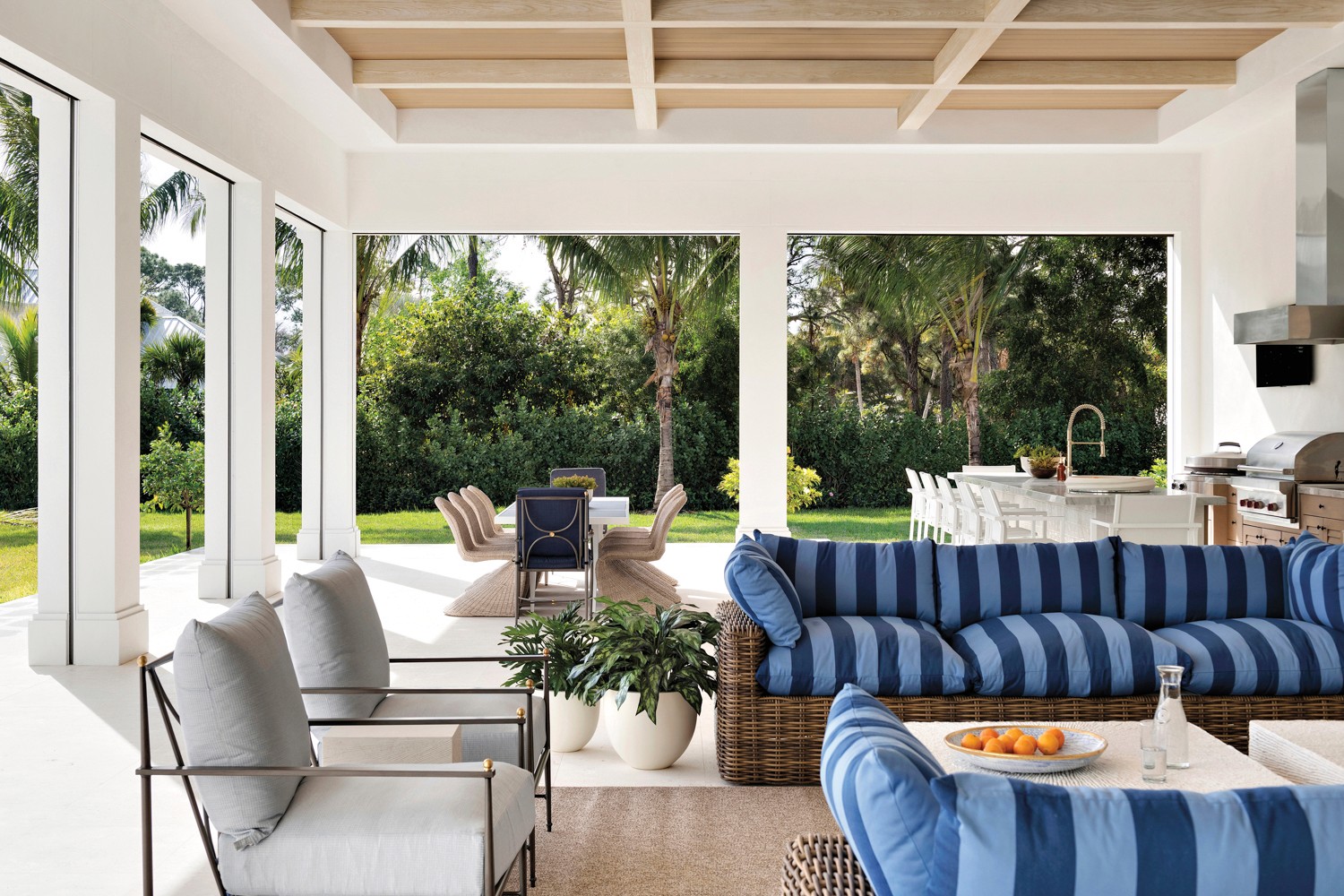
Certain homes feel relevant for decades, while others begin to feel dated much sooner than expected. The difference often comes down to whether design choices were influenced by short-term trends or guided by principles that tend to hold their appeal over time. Buyers often respond to homes that feel balanced and considered, even if they cannot immediately identify why. Understanding what contributes to that feeling can help you evaluate a property more objectively.
Trend-driven design often emphasizes bold visual statements that reflect a particular moment in time. While trends can introduce interesting ideas, they can also limit flexibility as preferences evolve. Highly stylized fixtures, overly specific color palettes, or decorative elements tied to a certain era may eventually require updating to maintain appeal. Recognizing which elements feel overly specific can help buyers anticipate future changes.
Materials That Age Well
Materials often determine how gracefully a home evolves over time. Natural finishes such as wood, stone, and metal tend to develop character and remain visually relevant even as surrounding styles shift. These materials typically complement a range of design approaches rather than competing with them. Choosing quality materials often reduces the need for frequent updates and contributes to more consistent long-term appeal.
Pay attention to how materials relate to each other throughout the home. When finishes feel cohesive rather than fragmented, the space tends to feel more intentional. This consistency can make future design adjustments easier without requiring major renovation.
Simplicity and Proportion
Timeless homes often emphasize proportion instead of excessive ornamentation. Ceiling height, window placement, and room scale influence how comfortable a space feels regardless of changing design preferences. When architectural elements feel balanced, the home tends to feel calm rather than visually overwhelming. Buyers can often identify this sense of balance even without design experience.
Spaces that rely heavily on decorative trends may feel more visually striking at first, but proportion and layout typically influence long-term livability more directly. Observing how rooms connect and how space is distributed can reveal whether the home will continue to feel comfortable over time.
Flexibility Over Time
One of the most practical advantages of timeless design is adaptability. Homes that are not tied to a single trend can more easily accommodate changing preferences or lifestyle adjustments. Simple changes in furniture, lighting, or décor can refresh the space without requiring structural modifications.
Buyers who focus on foundational design elements often find that their home continues to feel relevant longer. A thoughtful balance between personal style and design longevity can help ensure the property remains appealing both now and in the future.
Read more

Join Our Free Newsletter Today
Join our free newsletter for local insights and tips; discover how we can make your Alabama home search simpler and smarter.